Tadoba-Andhari Tiger Reserve, Maharashtra’s oldest and largest tiger reserve, was created in 1995 by combining Tadoba National Park, which was formed in 1955, and the Andhari Wildlife Sanctuary, which came into being in 1986.
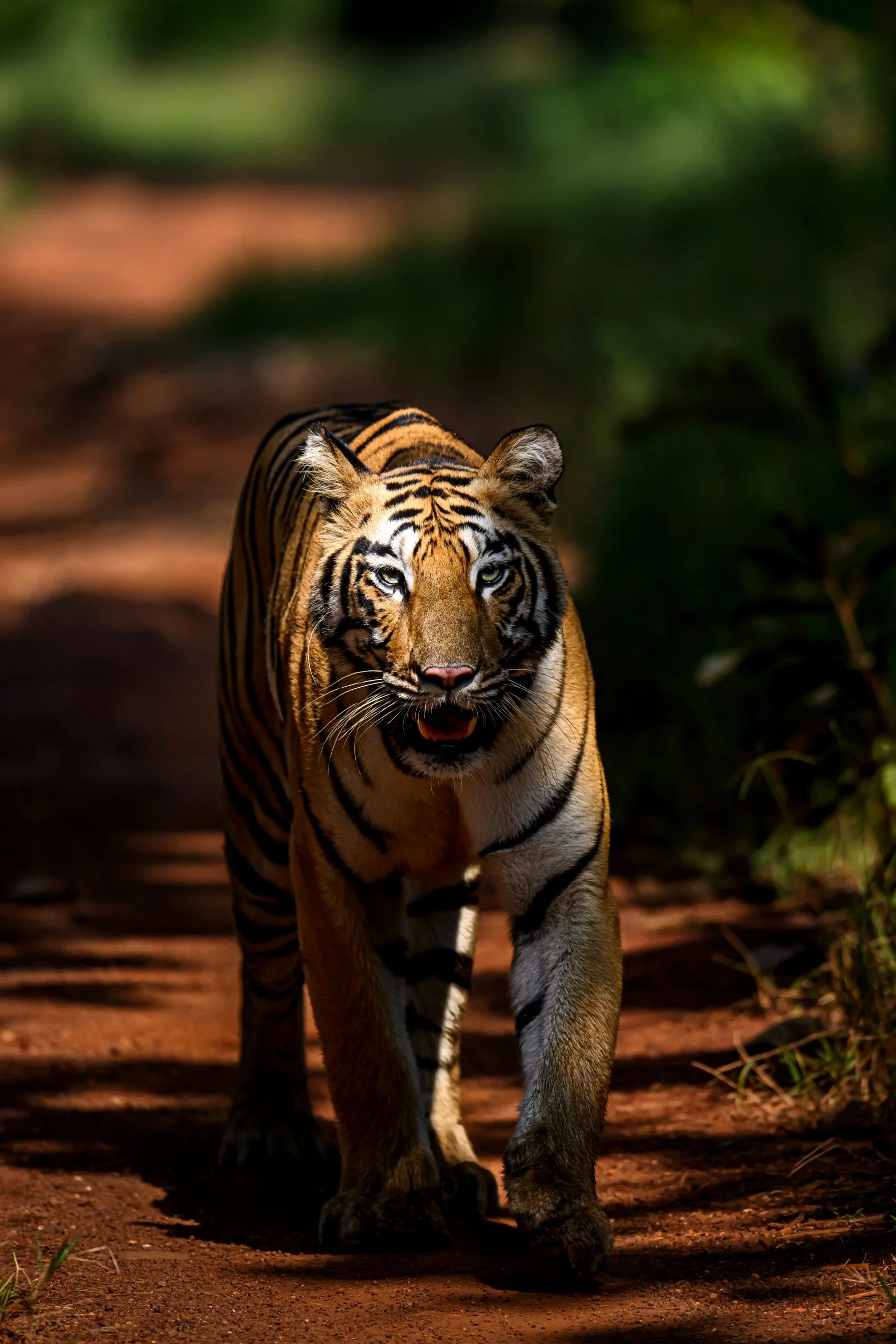
The tiger reserve covers a large area of 1727 square kilometers. The tiger population in the Vidarbha region including protected and non-protected areas is estimated at 200 tigers, making Tadoba a popular destination for tiger safaris in India. It is also home to leopards, wild dogs, nilgai, sambar, barking deer, gaur, etc. If you’re considering visiting Tadoba-Andhari, this guide will help you plan your next safari adventure.
Best Time to Visit Tadoba for an Unforgettable Tiger Safari
The Tadoba-Andhari Tiger Reserve is open throughout the year; the core is operational between 1st October and 30th June, while the buffer is accessible via safaris across the year. Every season reveals the magic of the forest in a unique way, offering first-time and repeat visitors something different to look forward to.
Winter:
Winter offers ideal weather and comfortable safari conditions. When the park reopens post the monsoon, the forest dons its greenest attire.
Animals have brighter furs; their coats look spectacular against the lush greenery of the forest, and create a striking contrast for photographers. November and December are a great time to witness the magic of fireflies illuminating the trees at night.
Numerous migratory birds arrive during the winter, including bar-headed geese, red-crested pochards, common pochards, northern pintails, ultramarine flycatchers, taiga flycatchers, and marsh harriers.
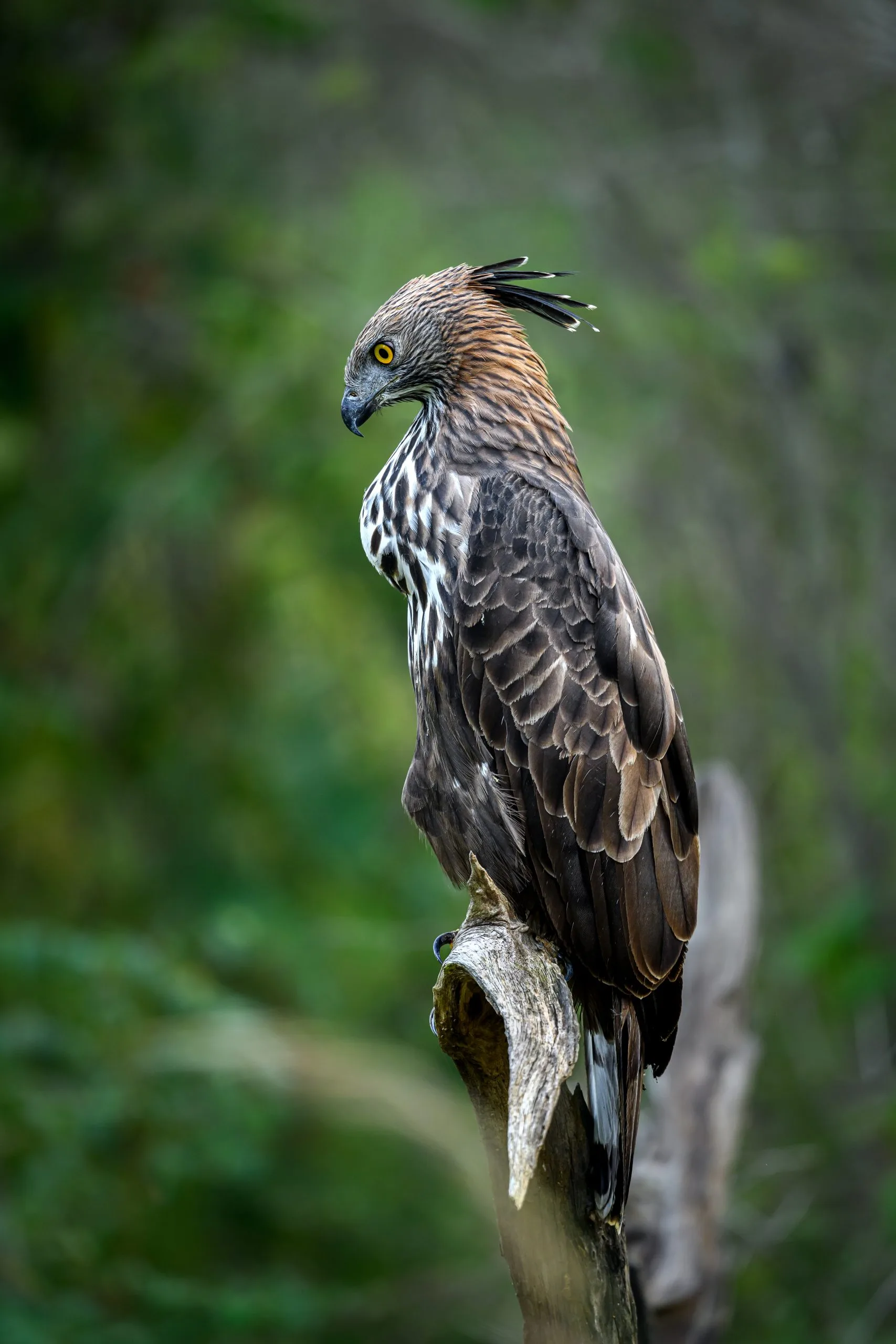
A boat safari on Irai Lake offers a fantastic opportunity for birdwatching. By early February and March, raptors such as honey buzzards, fish eagles, and serpent eagles become more vocal as they enter their mating season.
Spring
Spring brings with it new beginnings and the forest pulses with life. In March and April, one can witness sloth bears carrying their cubs and large troops of langurs with playful newborn babies.
Meanwhile, flowers burst forth with vigor. The colourful blooms of the Palash and the Silk Cotton Tree add bright splashes onto nature’s canvas, while others spread their divine fragrance.
Summer:
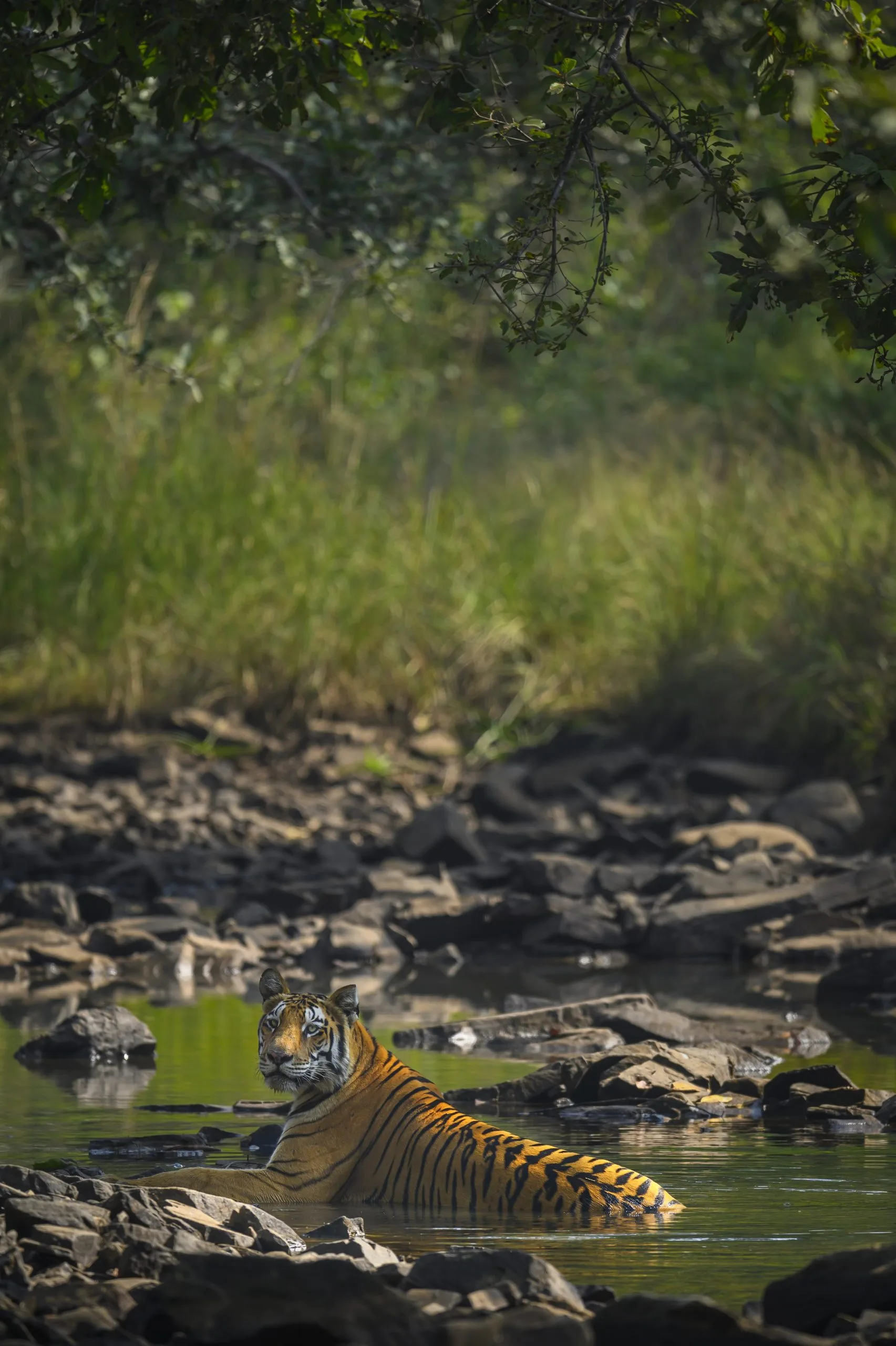
Temperatures begin to rise in May and June, often crossing 45°C, Tadoba being one of the hottest places in the world. Deciduous trees begin shedding their leaves, improving visibility. This is a great time for wildlife sightings by the water, and to catch tigers mating.
Summer offers the chance to see the colourful Indian pitta, while birds like the paradise flycatcher and black naped monarch are more active. A variety of owls like the mottled wood owl, brown fish owl, jungle owlet and spotted owlet can be seen on safari.
Monsoon
Although core zones are shut from 1st July to 30th September due to the monsoons, Tadoba-Andhari Tiger Reserve is one of the few parks whose buffer remains open for those looking for a safari adventure in the rains. From lush green landscapes to memorable wildlife sightings in the buffer zones, a monsoon safari in Tadoba offers a completely unique and magical adventure.
For a more detailed seasonal breakdown and wildlife activity insights, refer to our guide on the best time to visit Tadoba National Park for wildlife.
A Guide to Tadoba’s Safari Zones and Gates
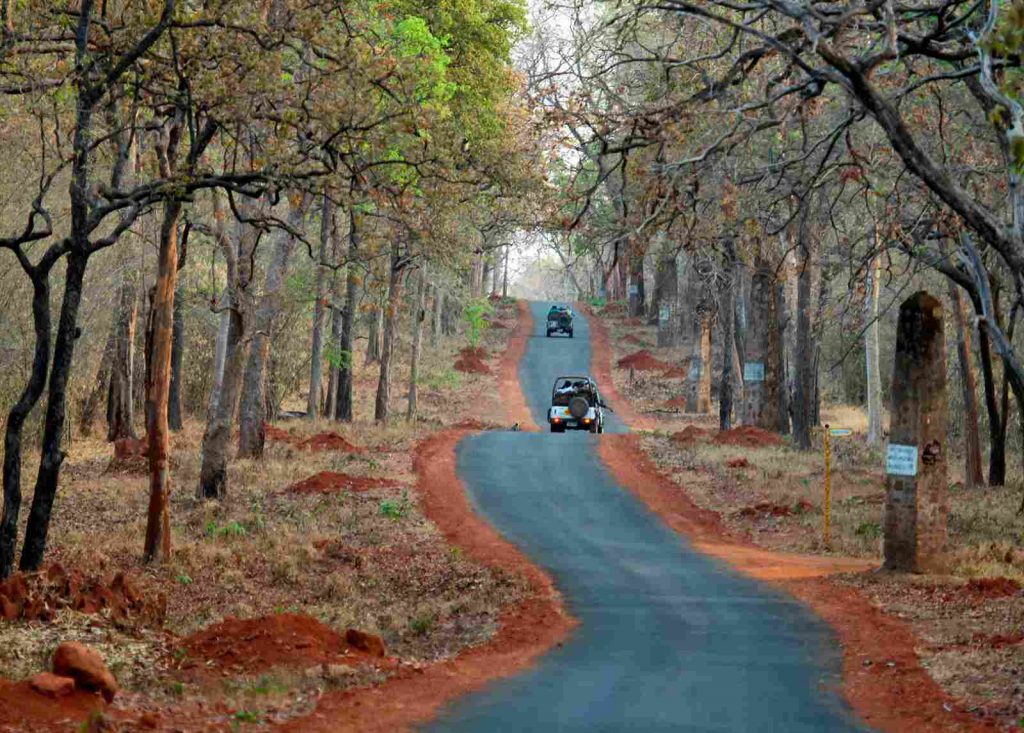
With over 22 gates to enter and exit the park, choosing the right entry gate is key to making the most of your safari experience. Ideally, visitors should select a gate closest to their lodge to minimize travel time and maximize safari hours.
- Moharli Gate: The oldest and most popular gate, leading to prime tiger territory in the Moharli range.
Khutwanda Gate: Less crowded than Moharli gate, it is located in the centre of the park, giving access to all sides swiftly within the Moharli range. - Kolara Gate: Located towards the northern side of the park, it provides access to the core of Tadoba zone.
- Navegaon Gate: Leads to remote and quieter safari areas in the Tadoba range.
Zari Gate: Offers peaceful wildlife sightings in Kolza zone with fewer tourists. - Pangadi Gate: A less crowded gate connected to the Kolsa zone in the southern part of the park.
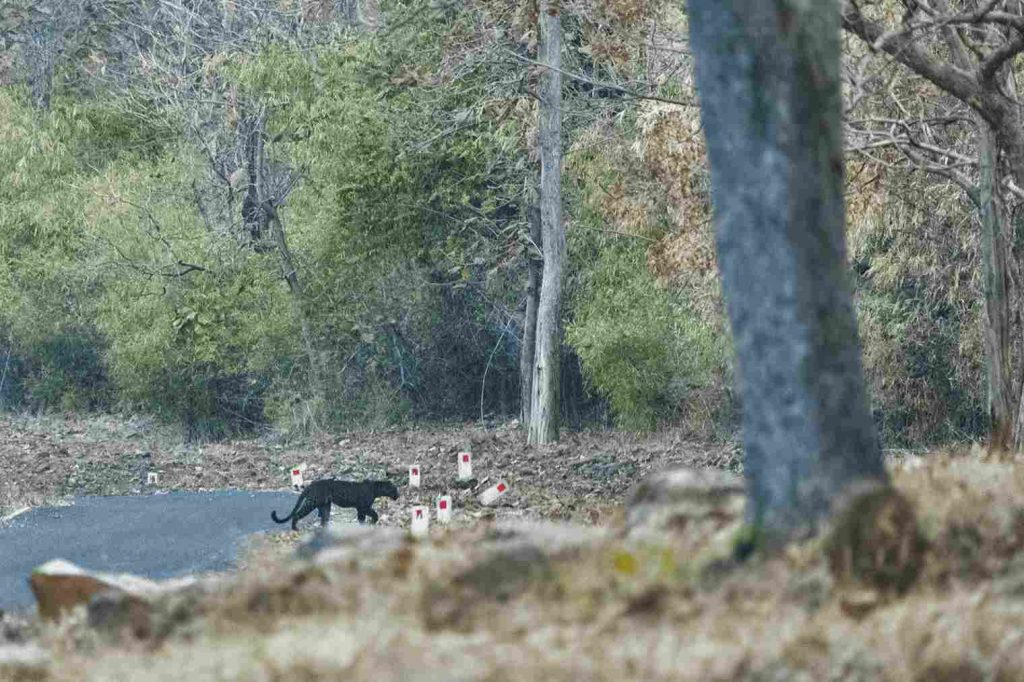
Also Read: Black Leopard in Tadoba National Park
Tadoba Buffer Gates by Zone
| Zone | Buffer Gates |
|---|---|
| Moharli | Devada, Agarzari, Junona, Ramdegi-Navegaon, Adegaon, Mamla |
| Tadoba | Nimdela-Ramdegi, Madnapur, Sirkada, Palasgaon, Kolara Chauradeo, Belara, Alizanza |
| Kolsa | Pangadi Aswal Chuha, Kesalghat, Zari Peth |
How to Book a Safari in Tadoba: Timings, Fees & Tips to Plan the Best Tiger Safari
Online Booking:
Safaris can be reserved via the Maharashtra Forest Department website (https://www.mytadoba.org). Wildlife operators and lodges can often help with booking safaris in the desired zones.
It helps to have an experienced naturalist on board to make the most of your time and learn about the forest and its inhabitants. A minimum of 4-5 safaris can lead to maximising sightings.
Permit Fees:
Fees vary depending on the zone, type of safari and vehicle (Gypsy or Cruiser). While canters were allowed earlier, they have recently been replaced with 9 seater cruisers that run on diesel.
These cannot be booked online, but have to be booked in person instead. The permit cost differs for weekdays, weekends, festivals & special occasions. There are additional fees to be paid to carry cameras inside the park.
Safari Timings:
The duration of morning and afternoon safaris in the core and buffer is 4 hours, usually from 6:00 AM to 10:00 AM, and 2:30 PM to 6:30 PM.
Entry and exit timings for summer and winter might vary by half an hour depending on sunrise and sunset hours.
Full Day Safari:
A full-day safari in Tadoba National Park allows unrestricted movement between its core zones. Movement between the Tadoba and Moharli zones is possible since they are connected, while Kolsa is on the other side of the park.
Buffer zones are far and disconnected from one another, restricting movement between zones. A full-day safari is a much more expensive affair than a regular half-day safari.
Booking:
Booking for available slots opens 120 days prior to the date of entry. It is recommended to book at least 60–90 days in advance for core zones, especially during the peak season.
All bookings for core need to be made in advance. On the spot bookings can only be made at buffer gates subject to availability.
Also Read: Tribes of Tadoba
Packing Essentials for a Tiger Safari in Tadoba
- Wear breathable cotton clothing in summer and warm layers in winter. A wide-brimmed hat, sunglasses, and sunscreen are must-haves to protect against the sun. Avoid bright colors and strong fragrances, as they may disturb wildlife.
- Since mobile phones are banned within the park, ensure you have alternative ways to capture memories. Bring binoculars for better wildlife spotting and a high-quality camera with a zoom or telephoto lens for photography.
- A small backpack with water, energy bars, and insect repellent will also come in handy.
How to Reach Tadoba-Andhari Tiger Reserve:
By Air: Tadoba is a three hour drive (140 km) from the nearest airport in Nagpur – Dr. Babasaheb Ambedkar International Airport.
By Train: The nearest railway stations are Chandrapur (45 km), Wardha (118 km) and Nagpur (150 km).
By Road: Tadoba-Andhari Tiger Reserve is well-connected by highways from Mumbai, Nagpur, Chandrapur, Hyderabad, Delhi and several other cities, making it an accessible safari destination in Maharashtra.
Other Activities in Tadoba: Beyond the Jeep Safari
For guests staying at an eco-friendly property like Waghoba Eco Lodge which offers easy access to the prime gates of Mohrali and Khutwanda, there are numerous ways to unwind after the day’s safari.
Guests can explore the forest through nature walks and cycling trails. The team of experienced naturalists at the lodge also conduct wildlife presentations every evening, offering an in-depth understanding on a variety of subjects that bring the forest and its creatures closer to the hearts and minds of guests.
A safari in Tadoba offers an unparalleled opportunity to witness India’s majestic wildlife in its natural habitat. Whether you’re a first-time visitor or an experienced wildlife enthusiast, careful planning, selecting the right season and zone, and staying in a well-located lodge can significantly enhance your experience.
Each zone offers a unique landscape and wildlife experience, and knowing where to go can significantly improve your chances of sightings. Read more about the top safari zones in Tadoba before planning your safari.
Where to Stay in Tadoba
Staying close to the safari gates makes a huge difference to your overall experience. Choosing an eco-friendly resort in Tadoba not only reduces travel time but also helps you enjoy morning and evening safaris more comfortably. Many sustainable lodges in the region, such as (insert internal link here), offer guided nature walks, cycling trails, and naturalist-led sessions that enhance your understanding of Tadoba’s wildlife.
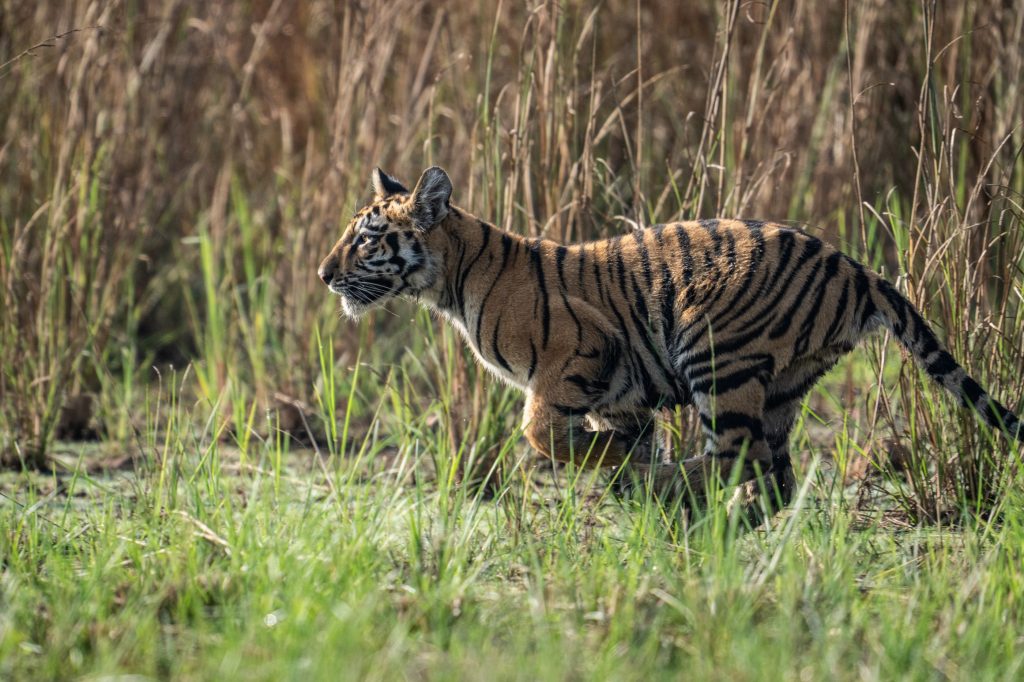
Also Read: Tiger Cubs in India
Conclusion
A safari in Tadoba-Andhari Tiger Reserve is more than a wildlife experience, it is an immersion into one of India’s most diverse and vibrant forest ecosystems. From the changing colours of the seasons to the unique character of each zone and gate, every visit offers a new story waiting to unfold.
Thoughtful planning, choosing the right time of year, and exploring both core and buffer areas can significantly enrich your journey through this landscape.
Written by Pooja Kumar
About the Author: Pooja is a nature and wildlife enthusiast who finds joy in exploring the wilderness, whether on safari in the forests or hiking in the hills. As a content writer with Pugdundee Safaris, she draws inspiration from nature to craft stories and poetry that connect the human experience with the beauty of the natural world. Through her writing, she hopes to inspire and educate others about the wonders of wildlife and conservation.

Pooja is a nature and wildlife enthusiast who finds joy in exploring the wilderness, whether on safari in the forests or hiking in the hills. As a content writer with Pugdundee Safaris, she draws inspiration from nature to craft stories and poetry that connect the human experience with the beauty of the natural world. Through her writing, she hopes to inspire and educate others about the wonders of wildlife and conservation.